
How to Extend the Life of Your Flap Discs: 7 Pro Tips
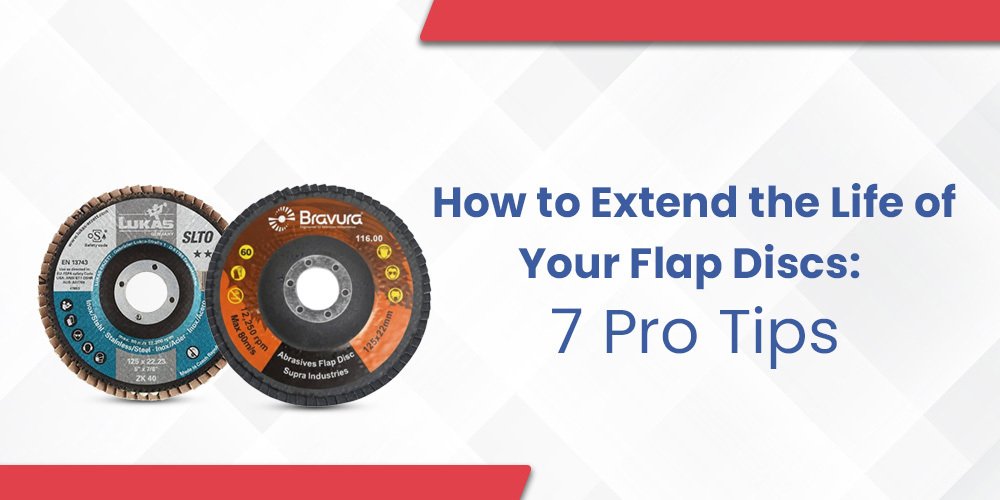
Flap discs are the workhorses of any workshop or fabrication environment. Their versatility in grinding, blending, and finishing makes them an indispensable tool for professionals and hobbyists alike. However, the cost of consumables can add up, and getting the most out of each flap disc is not just a matter of saving money, but also of working smarter.
In this comprehensive guide, we’ll delve into seven professional tips that will help you extend the life of your flap discs. By implementing these best practices, you’ll not only reduce your abrasive consumption but also achieve better results and a safer working environment.
1. Choose the Right Flap Disc for the Job
The most crucial step in extending the life of your flap discs happens before you even start grinding. Selecting the right flap disc for your specific application is paramount. Using a disc that isn’t suited for the material or the task at hand will lead to premature wear, poor performance, and frustration.
Abrasive Grain: The Heart of the Flap Disc
The abrasive grain is what does the actual cutting, and different grains are designed for different materials. Here’s a breakdown of the most common types:
- Aluminum Oxide: This is the most common and economical abrasive grain. It’s a great choice for general-purpose applications on ferrous and non-ferrous metals, as well as wood and composites.
- Zirconia Alumina: A step up from aluminum oxide, zirconia alumina is a tougher, more durable grain that excels at heavy stock removal on carbon and stainless steel. It’s self-sharpening, which means that as the grain fractures, it exposes new, sharp edges, leading to a longer life and a more consistent cut rate.
- Ceramic Alumina: For the most demanding applications, ceramic alumina is the king. This premium grain is exceptionally tough and self-sharpening, making it ideal for high-production environments and for grinding hard-to-grind materials like stainless steel, titanium, and other high-alloy metals. While ceramic flap discs have a higher upfront cost, their extended life and superior performance often result in a lower overall cost per job.
Grit Size: Finding the Right Balance
The grit size of a flap disc refers to the size of the abrasive grains. A lower grit number indicates a coarser grain, while a higher grit number indicates a finer grain.
- Coarse Grits (40-60): These are best for heavy stock removal, weld grinding, and deburring.
- Medium Grits (80-120): These are ideal for blending, finishing, and light weld removal.
- Fine Grits (150 and up): These are used for final finishing and polishing.
Using a grit that is too fine for the task will result in slow material removal and excessive heat buildup, which can damage the flap disc and the workpiece. Conversely, using a grit that is too coarse will remove material quickly but will leave a rough finish that may require additional steps to refine.
Flap Disc Type: T27 vs. T29
Flap discs come in two main types, each designed for different applications:
- Type 27 (T27): These have a flat profile and are best for blending and finishing on flat surfaces. They are used at a 0-15 degree angle.
- Type 29 (T29): These have a conical shape and are designed for aggressive stock removal and grinding on contoured and edge work. They are used at a 15-25 degree angle.
Using the wrong type of flap disc will not only result in a poor finish but will also cause the disc to wear unevenly and prematurely.
2. Use the Correct Angle and Pressure
Once you’ve selected the right flap disc, the next step is to use it correctly. The angle at which you hold the grinder and the amount of pressure you apply have a significant impact on the life of your flap disc.
The Sweet Spot: Finding the Right Angle
As mentioned above, T27 and T29 flap discs are designed to be used at different angles. Using a T27 disc at a steep angle will cause the edges of the flaps to wear down quickly, while using a T29 disc at too shallow of an angle will reduce its cutting efficiency.
The key is to find the “sweet spot” where the flap disc is making optimal contact with the workpiece. This will ensure that the abrasive grains are working efficiently and that the disc is wearing evenly.
Let the Disc Do the Work: Applying the Right Pressure
One of the most common mistakes that users make is applying too much pressure to the flap disc. The thinking is that more pressure will result in faster material removal, but the opposite is often true.
Excessive pressure generates heat, which can cause the abrasive grains to break down prematurely. It can also lead to “glazing,” a condition where the abrasive grains become dull and smooth, rendering the flap disc ineffective.
The best approach is to let the flap disc do the work. Apply just enough pressure to keep the disc engaged with the workpiece and let the abrasive grains do the cutting. You’ll find that this not only extends the life of your flap disc but also results in a better finish and less operator fatigue.
3. Match the Grinder Speed (RPM) to the Flap Disc
Every flap disc has a maximum RPM (revolutions per minute) rating, which is printed on the disc itself. It is crucial that the RPM of your angle grinder does not exceed the maximum RPM of the flap disc.
Using a grinder with an RPM that is too high for the flap disc is not only dangerous but will also cause the disc to wear out quickly. The high speed will generate excessive heat and will cause the abrasive grains to be thrown from the disc before they have had a chance to do their work.
On the other hand, using a grinder with an RPM that is too low will result in slow material removal and will not allow the flap disc to perform at its best.
For optimal performance and to extend the life of your flap discs, always use a grinder with an RPM that is within the recommended range for the disc you are using.
4. Don’t Be Afraid to “Dress” Your Flap Discs
Over time, flap discs can become “loaded” or “glazed.” Loading occurs when the spaces between the abrasive grains become clogged with the material being ground, while glazing occurs when the abrasive grains become dull and smooth.
When a flap disc becomes loaded or glazed, its cutting ability is significantly reduced. Many users will simply discard the disc at this point, but in many cases, it can be “dressed” to expose new, sharp abrasive grains.
There are several ways to dress a flap disc:
- Use a dressing stick: A dressing stick is a specialized tool that is designed to clean and sharpen abrasive wheels.
- Grind on a piece of scrap metal: Briefly grinding on a piece of scrap metal can help to remove loading and expose new abrasive grains.
- Use a wire brush: A wire brush can be used to remove light loading from the surface of the flap disc.
By dressing your flap discs, you can significantly extend their life and get the most out of each one.
5. Store Your Flap Discs Properly
Proper storage is another often-overlooked factor that can have a big impact on the life of your flap discs. Abrasives are sensitive to temperature and humidity, and improper storage can cause them to degrade and become less effective.
Here are some tips for storing your flap discs:
- Keep them in a cool, dry place: Avoid storing flap discs in areas with high humidity or extreme temperatures.
- Store them flat: Storing flap discs on their edge can cause them to warp.
- Keep them in their original packaging: The original packaging will help to protect the flap discs from damage and moisture.
By following these simple storage tips, you can ensure that your flap discs are in optimal condition when you’re ready to use them.
6. Use the “Bump and Grind” Technique
The “bump and grind” technique is a simple yet effective way to extend the life of your flap discs. When you’re grinding, instead of holding the flap disc in one spot, gently “bump” it against the workpiece and then move it across the surface.
This technique helps to prevent heat buildup and ensures that the flap disc is wearing evenly. It also helps to prevent gouging and results in a smoother finish.
7. Let the Disc Cool Down
Heat is the enemy of any abrasive, and flap discs are no exception. When you’re grinding for an extended period of time, the flap disc can become very hot, which can cause the abrasive grains to break down and the backing to degrade.
To prevent this, it’s important to let the flap disc cool down periodically. You can do this by simply stopping for a few moments or by having a second flap disc on hand that you can switch to while the other one cools down.
By taking the time to let your flap discs cool down, you’ll not only extend their life but also improve their performance and reduce the risk of damage to the workpiece.
Conclusion
Flap discs are a valuable tool in any workshop, and by following these seven pro tips, you can get the most out of each and every one. From choosing the right disc to using the correct technique, every step you take to extend the life of your flap discs will save you money, improve your work, and create a safer and more efficient working environment.
At Supra Industries, we’re committed to providing our customers with the highest quality abrasive products and the knowledge to use them effectively. If you have any questions about which flap disc is right for your application, or if you’d like to learn more about our full line of abrasive solutions, please don’t hesitate to contact us.